
Study in South Korea
Study in South Korea
South Korea is becoming one of the most popular destinations for international students due to its high-quality education system, advanced technology, and globally ranked universities. Every year, thousands of students from around the world choose South Korea to pursue higher education and build successful international careers. With modern campuses, innovative teaching methods, and strong career opportunities, South Korea provides an excellent environment for academic and personal growth.
South Korean universities are internationally recognized for excellence in engineering, business, technology, and research-based education. Students benefit from practical learning, advanced facilities, and global exposure that help them compete in today’s international job market.
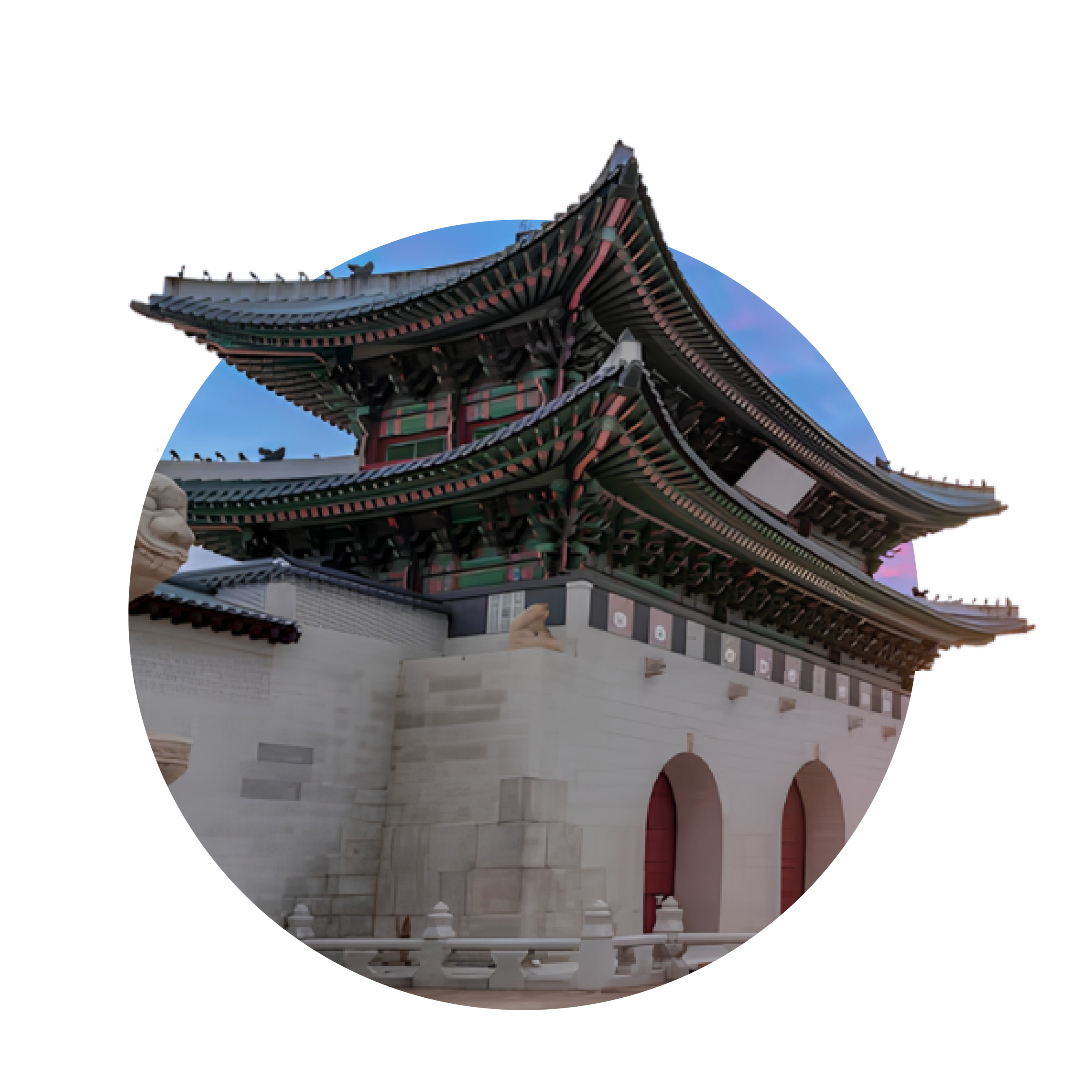
Why Study in South Korea?
International students choose South Korea for its world-class universities, affordable living options, and strong employment opportunities. The country is especially known for excellence in technology, innovation, and research. Students can enjoy a safe environment, modern lifestyle, and a unique cultural experience while studying in one of Asia’s leading education destinations.
Practical Learning
South Korean universities focus strongly on practical education and research. Students can participate in internships, workshops, industry projects, and research programs to gain real-world experience in their fields of study. This practical exposure helps students improve their skills and career prospects.
Access to Latest Technology
South Korea is one of the world’s leading countries in technology and innovation. Universities provide students with access to advanced laboratories, modern equipment, and practical research opportunities. Students studying in South Korea gain exposure to cutting-edge technology and industry-focused education.
Experience Culture and Lifestyle
South Korea offers a unique blend of traditional culture and modern lifestyle. Students can explore Korean culture, food, music, fashion, festivals, and historical places while enjoying life in modern cities like Seoul and Busan. The popularity of K-content, including K-pop and Korean media, also attracts students from around the world.
Building Leadership Skills
Students studying in South Korea can improve leadership, communication, and teamwork skills through university activities, student organizations, seminars, and collaborative projects. These experiences help students grow personally and professionally.
Popular Fields of Study
Students can choose from a wide range of internationally recognized programs, including:
- Engineering (Robotics, Electrical Engineering)
- Computer Science (Artificial Intelligence, Data Science)
- Business & International Studies
- Korean Language & Cultural Studies
- Media & Communication
Education Levels
- Undergraduate (UG)
- Postgraduate (PG)
- PhD Programs
Popular Universities in South Korea
- Seoul National University
- Korea University
- Yonsei University
Cost of Studying in South Korea
South Korea offers quality education at competitive tuition fees compared to many Western countries. Living expenses vary depending on the city and lifestyle, with affordable options available for students.
- Affordable tuition fees
- Competitive living expenses
Scholarships Opportunities
Many South Korean universities and government programs offer scholarships for international students. These scholarships can help reduce tuition fees and support living expenses, making education more affordable for deserving students.
Post-Study Opportunities
South Korea offers post-study work opportunities for international graduates. Students may stay and work in South Korea after graduation depending on their qualification level and visa category.
Education System Overview
South Korea is recognized globally for its strong education system, technological advancement, and research-focused universities. With internationally respected degrees, modern facilities, and excellent career opportunities, South Korea provides students with an ideal environment for academic success and future growth.
Schedule a Meeting with an Expert
If you want to study abroad and need professional guidance, our expert team is here to help. We provide personalized counseling regarding university selection, admissions, scholarships, visa processes, and career planning. Our experienced consultants help students make informed decisions and turn their study abroad dreams into reality.
Frequently Asked Questions
Q1. How much does it cost to study in South Korea?
South Korea is more affordable than many Western countries. Tuition fees usually range from USD 3,000–15,000 per year depending on the university and program. Living expenses are generally around USD 500–1,000 per month, especially in cities like Seoul. Public universities are usually cheaper than private universities.
Q2. Is IELTS required for studying in South Korea?
Not always. Many South Korean universities offer admission without IELTS if students provide an English proficiency letter from their previous institution. However, some English-taught programs may still require IELTS or TOEFL. Korean-taught programs usually require TOPIK (Korean language test).
Q3. Can international students work while studying in South Korea?
Yes. International students on a D-2 visa can work part-time while studying. Students are generally allowed to work around 20–35 hours per week during semesters and full-time during vacations, depending on their visa status and academic performance.
Q4. Are scholarships available for Pakistani students in South Korea?
Yes. Pakistani students can apply for scholarships such as the Global Korea Scholarship (GKS), which is fully funded. It may cover:
- Full tuition fees
- Monthly stipend
- Airfare
- Accommodation support
- Medical insurance
- Korean language training
Q5. What are the post-study work opportunities in South Korea?
After graduation, international students can apply for the D-10 Job-Seeking Visa, which allows them to stay in South Korea and search for jobs. Graduates in fields like IT, Engineering, AI, and Business often have good career opportunities. South Korea is also introducing pathways for skilled graduates to gain long-term residency, especially in STEM fields.

Useful Links
Destinations
Contact
International Head Office
+44 7538 659384
3rd Floor, Universal Square, Office # 3.22, 02 Devonshire St N, Manchester M12 6JH
Country Head Office
0304 0098197
Office # 1-6, 1st Floor Mediacom Trade City, Jaranwala Rd, Faisalabad 38000, Pakistan
©2025 U.S.A. All rights reserved. Read our Privacy Policy | Design & Developed By Faizan Sadiq